Get Paid for Automation, workshop 02, with Johnathan Lightfoot
Who should you sell to?
After this workshop you can define an ideal client profile for automation work and decide which businesses are worth pitching. You will also know how to disqualify leads that waste your time before you write a proposal.
- When
- Saturday 19 December11:30 AM in Accra
12:30 PM in Lagos - Registration closes
- Saturday 12 December, 11:30 AM in Accra
- Length
- 3 hours, live online
- Fee
- GHS 350MoMo or card, through Paystack
- Places
- 30 people
- For
- Automation practitioners who want to stop pitching everyone and start targeting businesses with real automation needs and budget.
Why this workshop
Many automation freelancers pitch any business that will listen. They spend time on prospects with no budget, no clear problem, or work that cannot be automated well.
A clear ideal client profile shows you where to spend your time and where not to. It keeps you from writing proposals for leads that will never buy.
This workshop gives you a method to describe the client you want, spot the signals that a lead is worth pursuing, and disqualify the rest early.
What you will be able to do
- Define an ideal client profile for automation services.
- Identify the signals that a business has budget and a solvable automation problem.
- Disqualify leads that waste time before writing a proposal.
- Match your automation offer to a specific industry or business type.
- Write a short outreach message that speaks to one client type.
- Decide whether to specialize by sector, company size, or problem.
What you leave with
- An ideal client profile worksheet filled out for your automation services.
- A list of disqualifying questions to use in early sales conversations.
- A short outreach template aimed at one client type.
- A ranked list of industries or business segments to target first.
The 3 hours
- 0:00Why generalist pitching failsIntroduction and where automation freelancers waste sales time
- 0:30Defining your ideal client profileIndustry, company size, problem, budget, and decision maker
- 1:15Reading buying signalsBudget, urgency, decision authority, and automation fit
- 2:00Break15 minutes
- 2:15Disqualifying bad leads and writing for one clientSaying no early and drafting a short outreach template
- 2:45Prioritizing your target listRanking segments and planning your first outreach
Is this for you
Good fit
You can already build and deliver automations and you are ready to find paying clients. You have been pitching broadly or taking any lead that comes along, and you want a clearer idea of who is worth your time. Freelancers, independent consultants, and small automation service providers fit.
Not a fit
You have not built a working automation yet. This is not a sales class for people who still need to learn the technical work. It is also not a certification, and it cannot promise you clients or income. If you are looking for a done-for-you lead list, this is not it.
Bring: Bring a laptop and a short description of the automation problem you solve. If you have notes on past leads or inquiries, bring those too.
Who teaches it
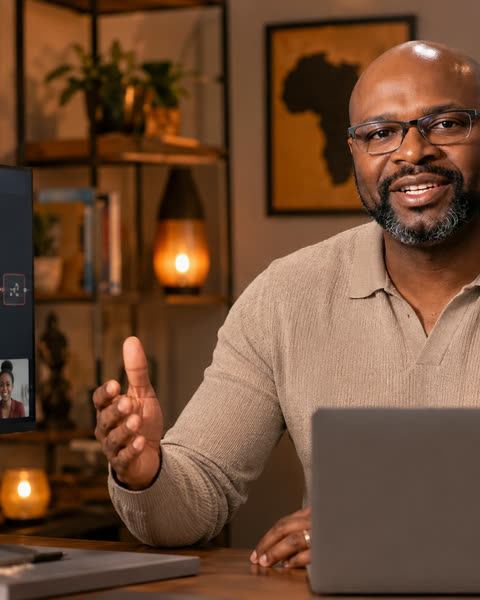
Founder of Bulletproof Automations. Three decades in systems integration and technology leadership as a CTO and CIO, and a former U.S. Navy Operations Specialist.
Questions
Do I need paying clients already?
No. The workshop assumes you can build automations and helps you choose who to sell to. You do not need current clients to attend.
Does it matter which automation platform I use?
No. The client-selection method works the same whether you use n8n, Make, Zapier, Microsoft Power Automate, Power Apps, code, or AI tools.
Is this a certification?
No. It is a training workshop. It does not award, and does not count towards, any Bulletproof Automations certification.
Will this get me clients?
It helps you target the right businesses and write better outreach. It cannot guarantee clients, contracts, or income.
Do I have to pick one industry forever?
No. You choose a starting segment based on what you know and can deliver. You can change it later as your work changes.
Is this relevant outside Ghana?
Yes. The method works for local clients and international freelance clients, though the examples include Ghanaian small businesses.
Do I need a website or portfolio before I start?
No. You need a clear description of the automation problem you solve and the type of business that has it.
Part of Get Paid for Automation
Each workshop stands alone. You do not need to take the whole series, or take the workshops in order.
- 01Sat 12 Dec
You know automation. Do you know what to charge?
Cost a project, choose a pricing approach and write a quotation you can explain to a client.
- 02Sat 19 Dec
Who should you sell to?
Define who to sell automation services to, and who to avoid.
- 03Sat 26 Dec
Where are the clients?
Find where your ideal clients are and get meetings with them.
- 04Sat 2 Jan
Discover what clients need
Turn client frustrations into defined automation problems worth paying for.
- 05Sat 9 Jan
Scope it before you quote it
Turn a vague request into a written scope both sides can agree to before work starts.
- 06Sat 16 Jan
Write proposals that win
Write proposals that show you understood the problem and make the next step easy.
- 07Sat 23 Jan
Close the deal
Discuss fees, answer objections, and follow up so proposals get signed.
- 08Sat 30 Jan
Deliver like a professional
Test it, keep the client informed and hand it over so their team can run it without you.
- 09Sat 6 Feb
Turn projects into recurring income
Offer paid support after handover so maintenance work is covered by an agreement.
- 10Sat 13 Feb
Win international clients
Present and price automation services for overseas clients, across currencies and time zones.
Get Paid for Automation is organized and presented solely by Bulletproof Automations, an independent training provider. n8n, Make, Zapier, Microsoft Power Automate and Power Apps are named only to describe the tools participants use; none of their owners sponsors, endorses or is affiliated with this series. The workshops teach business skills and do not guarantee clients, contracts or income.
Attending a webinar or workshop is training. It is not a certification and does not count towards one.